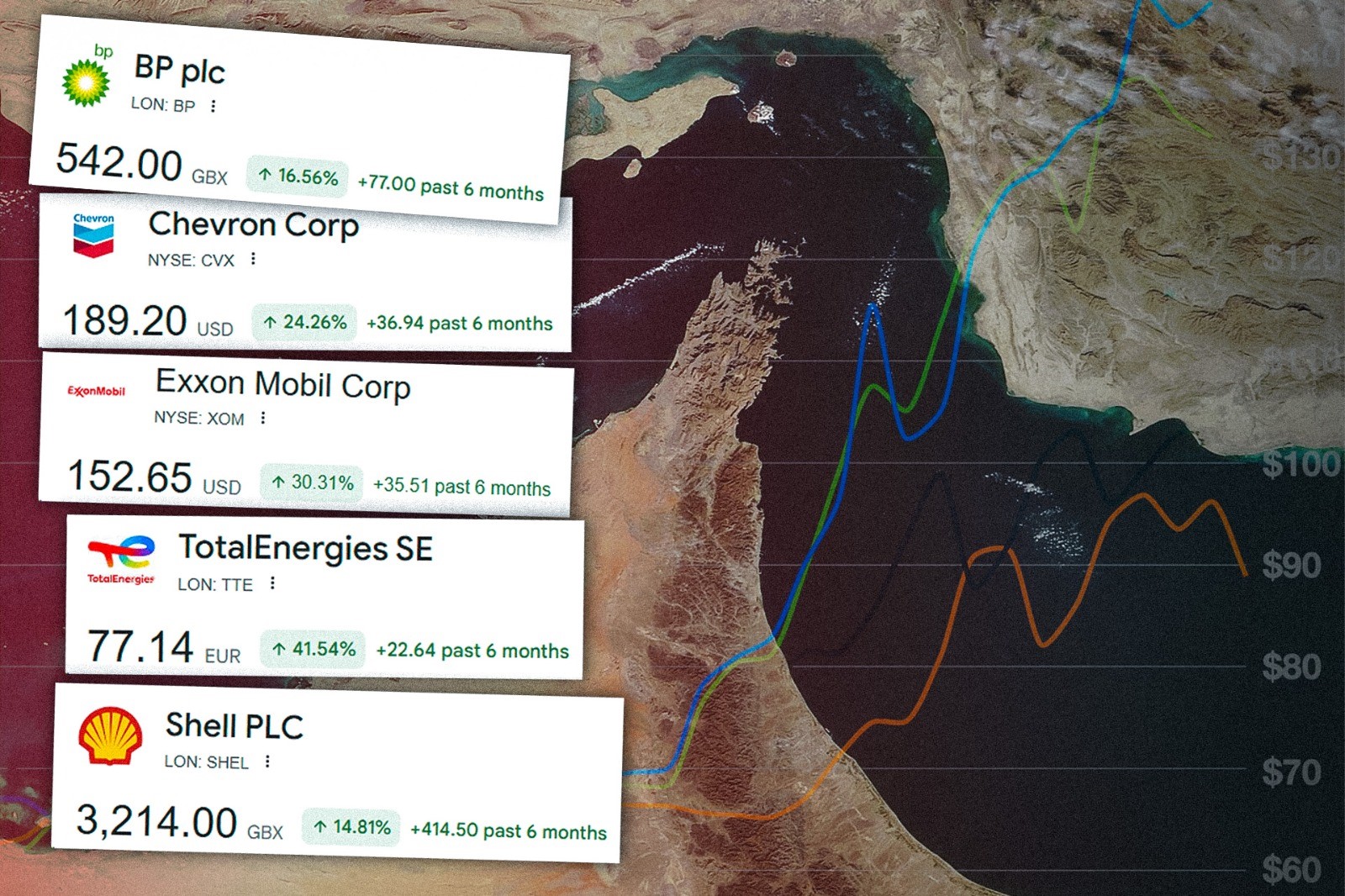
Big Oil and Gas executives have been mercilessly cashing in on the Iran War and closure of the Strait of Hormuz. The resulting severe shock to the world’s energy market – largely dependent on fossil fuels – has delivered a historic level of profit to these war profiteers, as oil prices have shot up. In the first month of the war alone, the top 100 oil and gas companies raked in an additional $30 million per hour, on top of their usual profits.
For comparison, a worker earning the average global wage would have to start working in the year 359AD (during the Roman Empire), without spending a penny of it, to earn the same amount.
Workers and poor across the planet are facing a nightmare scenario: being squeezed by increasing fuel costs and energy bills, and wider inflation triggered by the disruption the war has caused to critical supply chains.
However, whilst oil and gas production has temporarily decreased, prices have soared to obscene levels given the frenzied purchasing of what remains available in the market. BP’s profits are up 140 percent in the first quarter of 2026 alone, from about £1 billion last year to £2.4 billion this year.
At the same time, the market valuations of Big Oil and Gas have shot up by billions of dollars. Just six such companies saw the value of their shares rise by $130 billion in the first two weeks of the war.
This isn’t the first time – at the start of the Ukraine War in 2022, Big Oil and Gas doubled its profits, with Shell recording the highest profit in its 115-year history.
And in turn, personal shareholdings rise and financial portfolios are ‘developed’. Chevron chief Mike Wirth, for example, sold off $104 million-worth of his shares in the company, profiting on their inflated value. A Wall Street Journal report found that, in the first quarter of the year, US energy executives sold off a total of $1.4 billion-worth of their stock, in response to the war.
The leech-like nature of the ruling class is on full display. As Lenin once said: “war is terrible, yes, terribly profitable.”
[Originally published on Marxist.com]
Will a windfall tax help?
Amidst this turmoil, many are calling for a windfall tax on oil and gas companies and shareholders raking in spectacular profits. Indeed, this money could be used for socially necessary investment in all areas of society – such as healthcare, housing, education, and infrastructure – which have been decimated by over a decade of austerity and privatisation following the 2008 financial crisis.
Many are also calling for such a tax to fund a major transition to renewable energy, in order to tackle the climate disaster facing the planet. The fossil fuel industry generates over half of the planet’s greenhouse gas emissions responsible for warming the atmosphere, all in the rampant pursuit of profit.
The resources exist to solve the burning problems of society and to lay the basis for a total revolution in how energy is supplied. But this is found locked in the bank accounts of exactly those people who profit from war, destruction, and death, because they own those resources.
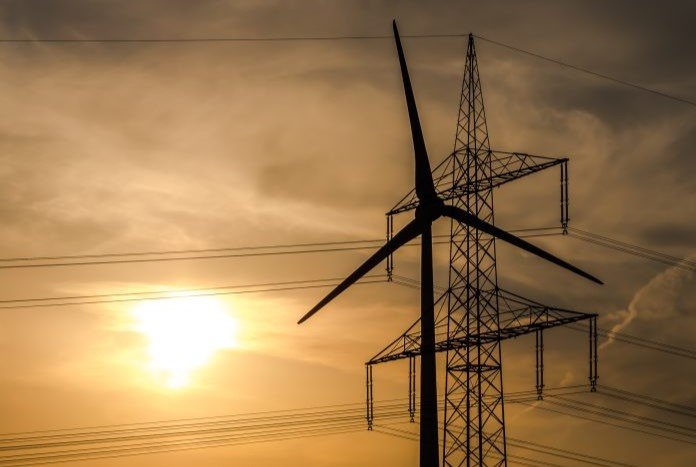
The resources exist to solve the burning problems of society and to lay the basis for a total revolution in how energy is supplied / Image: public domain
When CEOs and their ilk are threatened by a hit to their wealth, this is reflected in capital flight and strikes of investment. A case in point is Britain, where a windfall tax actually already exists on oil and gas production in the North Sea, introduced by the Conservative government in 2022, and set to last until 2030. This was used to try and prevent a social explosion by subsidising household energy bills, which rapidly rose at the start of the Ukraine War while energy companies were raking in windfall profits.
And whilst this windfall tax did alleviate some of the worst effects of the 2022 cost of living crisis on the working class, for oil and gas companies, it made the UK a less attractive place to invest. One oil executive described it as such: “this is like saying, you can buy this house, but the interest rate will be 30 per cent… none of this matters if investors’ confidence is shot”. And the result has been decreasing investment in the oil and gas industry in the North Sea, fuelling job losses.
75 percent of the UK’s energy still comes from oil and gas, and with the national grid suffering from chronic underinvestment and unable to handle the amount of renewable energy that is being generated, Britain is all the more tied to global oil and gas markets for its supply. And so, the working class will still face rising energy bills, this time due to the Iran War! The energy price cap in Britain has been raised by 13 percent, which means that from July, households will pay £221 more per year to access gas and electricity.
There is no escape from this nightmare under capitalism. This is a global crisis of the system, which spreads its tentacles into every country on the planet. A windfall tax amounts to playing whack-a-mole with the crisis; you might think you’ve caught it, but the problems re-emerge with more determination elsewhere.
Furthermore, governments find themselves in a scenario where they are ‘damned if they do, damned if they don’t’. They are squeezed between the interests of the oil companies on one hand, who want to make as much profit as possible, and of the workers on the other, who demand relief from the skyrocketing cost of living, through measures such as a windfall tax.
The myth of energy security
Some calls for a windfall tax are motivated not just by disgust at war profiteering, but by the belief that taxing windfall profits to invest in renewable energy can deliver ‘self-sufficiency’, allowing countries to avoid being impacted by shocks to the market.
Greenpeace, for example, has said “you can’t blockade the sun or sanction the wind”. But on the basis of capitalism, this argument leads nowhere. Renewable energy is increasingly running into problems which are preventing a large-scale rollout of ground-breaking technology that could genuinely benefit humanity.
One of those problems for the capitalist class in the West is the crushing dominance of China in the industry. For example, 97 percent of the world’s photovoltaic wafers (the main part of a solar panel) are made in China. Chinese overproduction means that these markets are already glutted, and prices for solar panels have plummeted.
From the point of view of a capitalist, who invests not out of the needs of humanity but to turn a profit, there are simply no profits to be made by investing in an industry already saturated by cheaper, technologically superior Chinese commodities.
Struggling to get into the saturated green energy markets, the ruling class in the West aren’t keen to buy green tech from China. It may make them resilient to oil and gas shocks, but only at the price of being dependent on Chinese tech in a period of heightened imperialist rivalry between the West and China.
The same argument for ‘energy security’ and ‘self-sufficiency’ was employed by the fossil fuel giants in the US after the Ukraine War… precisely to justify an increase in production of hydrocarbons. These companies successfully lobbied politicians for an increase to domestic oil and gas production to improve ‘energy security’. Even before the Ukraine War, the US has been a net exporter of energy since 2019, making it ‘self-sufficient’.
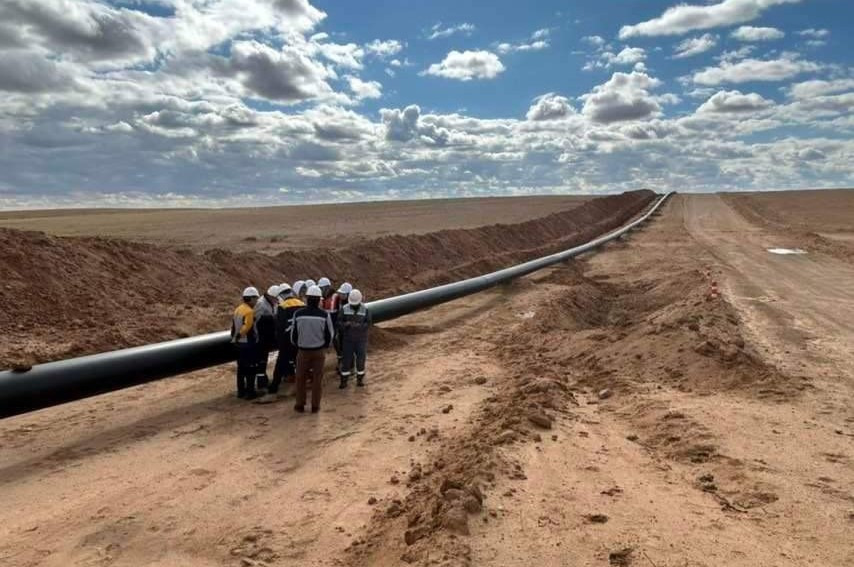
Regardless of various commitments to curb fossil fuel emissions, capitalists will invest in what is profitable to them / Image: public domain
But who is benefitting from this? The average price of gas in the US is now at its highest since July 2022, when prices were already inflated due to the war in Ukraine. Meanwhile, oil and gas companies are reaping enormous profits, and investors are enjoying higher stock prices and dividends.
In fact, in 2025, the world’s largest banks committed $906 billion in investment into the fossil fuel industry, an eight percent increase on the year before. Regardless of various commitments to curb fossil fuel emissions, capitalists will invest in what is profitable for them.
Whether the commodity is oil, gas, or renewables, under capitalism production is organised around the drive for profit. Combined with the scramble between nation states for a slice of the pie of a crisis-ridden global economy, more war and destruction is unavoidable.
Expropriate the war profiteers!
The answer to this nightmare lies in seizing and expropriating the wealth of the capitalist class – starting with the war profiteers, but expanding to all the key parts of the economy, such as the banks and giant monopolies that dominate it. These must be owned and controlled by the working class.
Energy companies could be democratically planned according to what is socially useful. A total revolution in energy production and distribution could unfold. Workers in this sector are well aware that major developments have taken place with technology harnessing solar and wind power. But these are constantly held back due to a lack of investment in transmission infrastructure that, compared with the amount of power that could come from the sun and wind, may as well come from the Middle Ages.
In India, for example, between January and March this year, 300GWh of renewable energy was blocked from the grid, due to a lack of infrastructure to utilise it. That would have been enough energy to power about 111,000 homes for an entire year!
With the energy companies in their hands and resources available to carry out their plan, workers would undoubtedly understand how to roll out renewables on a scale we have never seen before. Only this kind of rollout, freed from the constraints of the profit motive, can begin to genuinely address the climate crisis.
This would, by necessity, have to be part of an international plan. After all, the supply chains that are required for building renewable power are not concentrated in one country, but spread across the planet.
The appetite for revolution to overthrow the ruling class is growing, and the grim profiteering from the Iran War will undoubtedly grow the layer of radicalised workers and youth across the world. To them, we say: fight for revolution and the expropriation of these parasites.