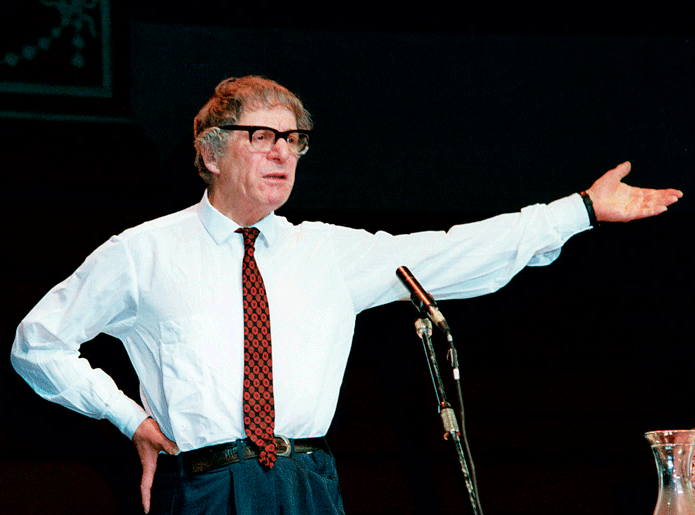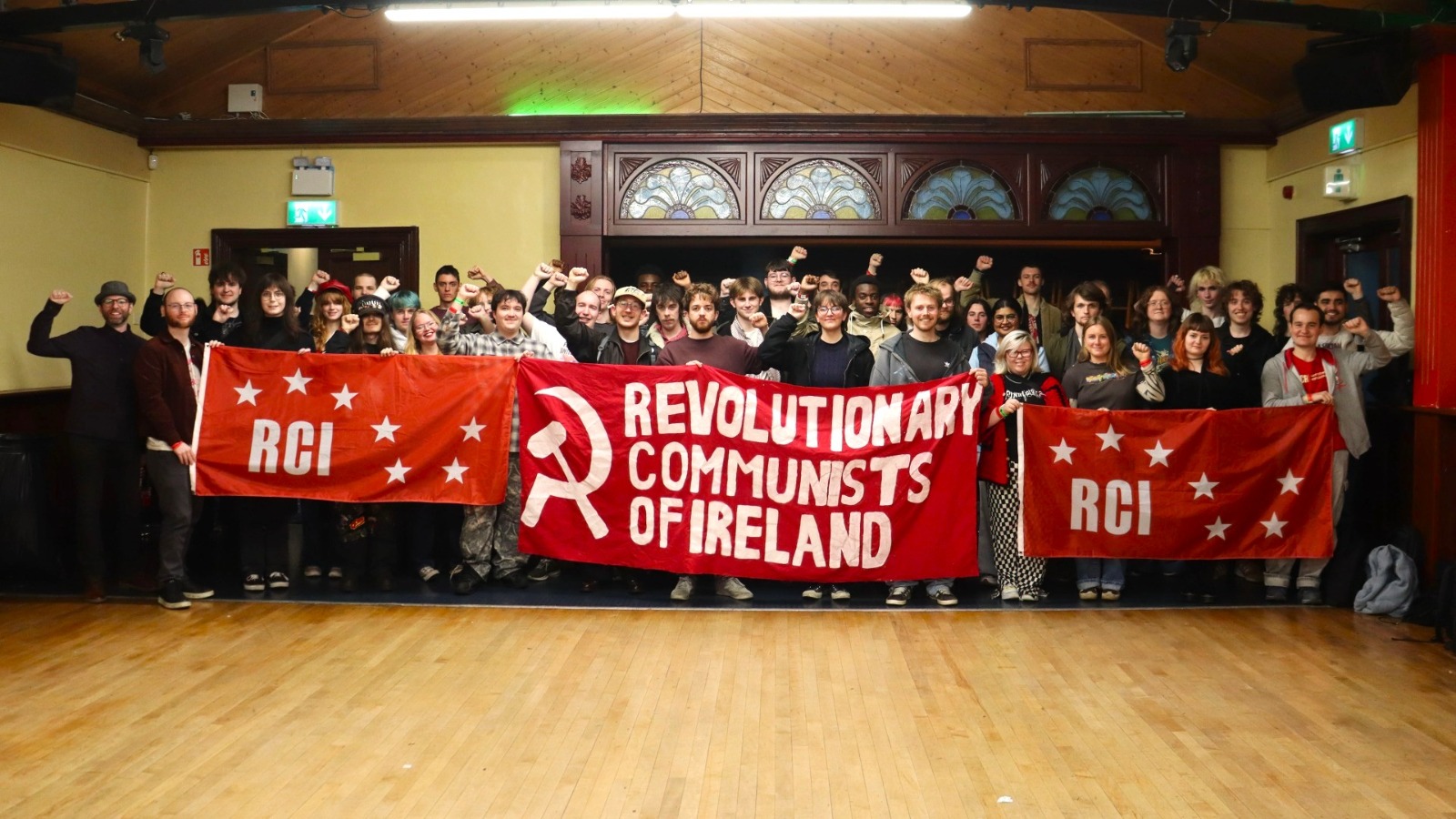
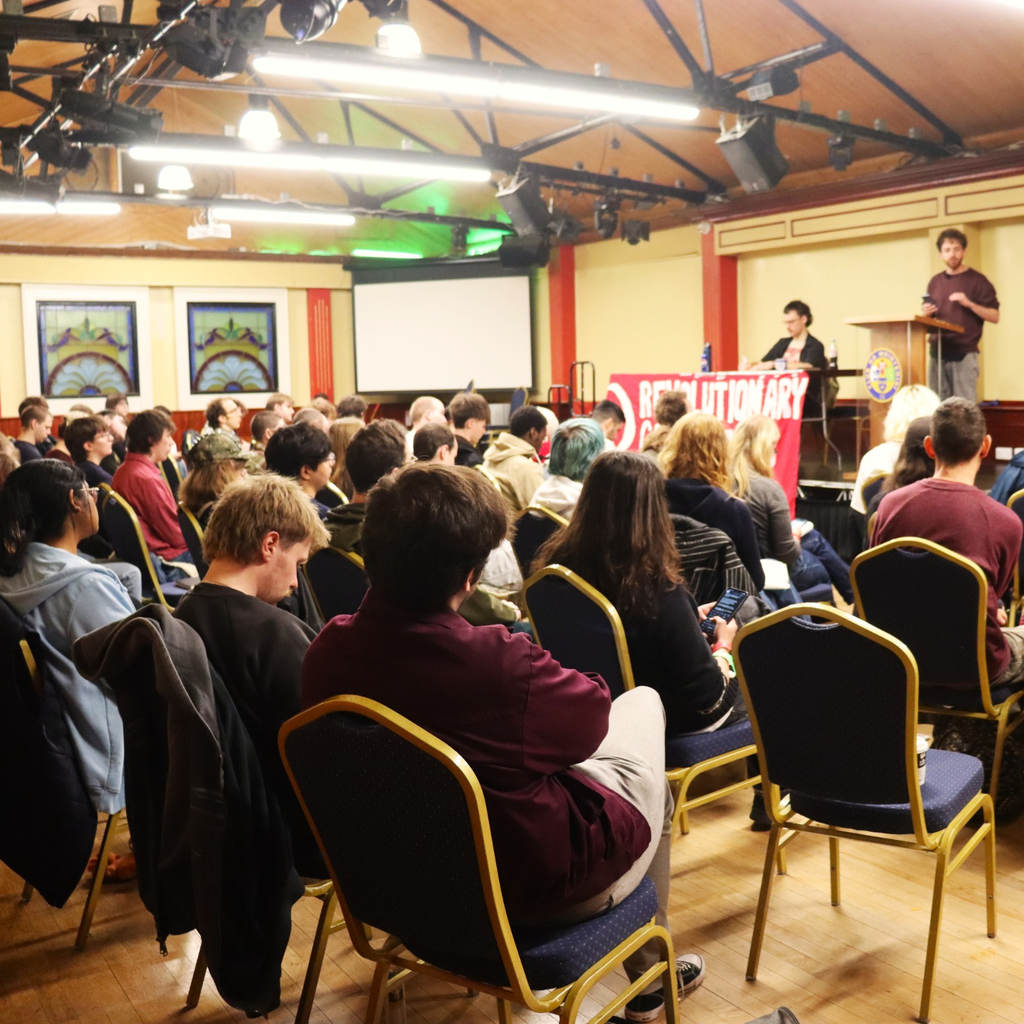
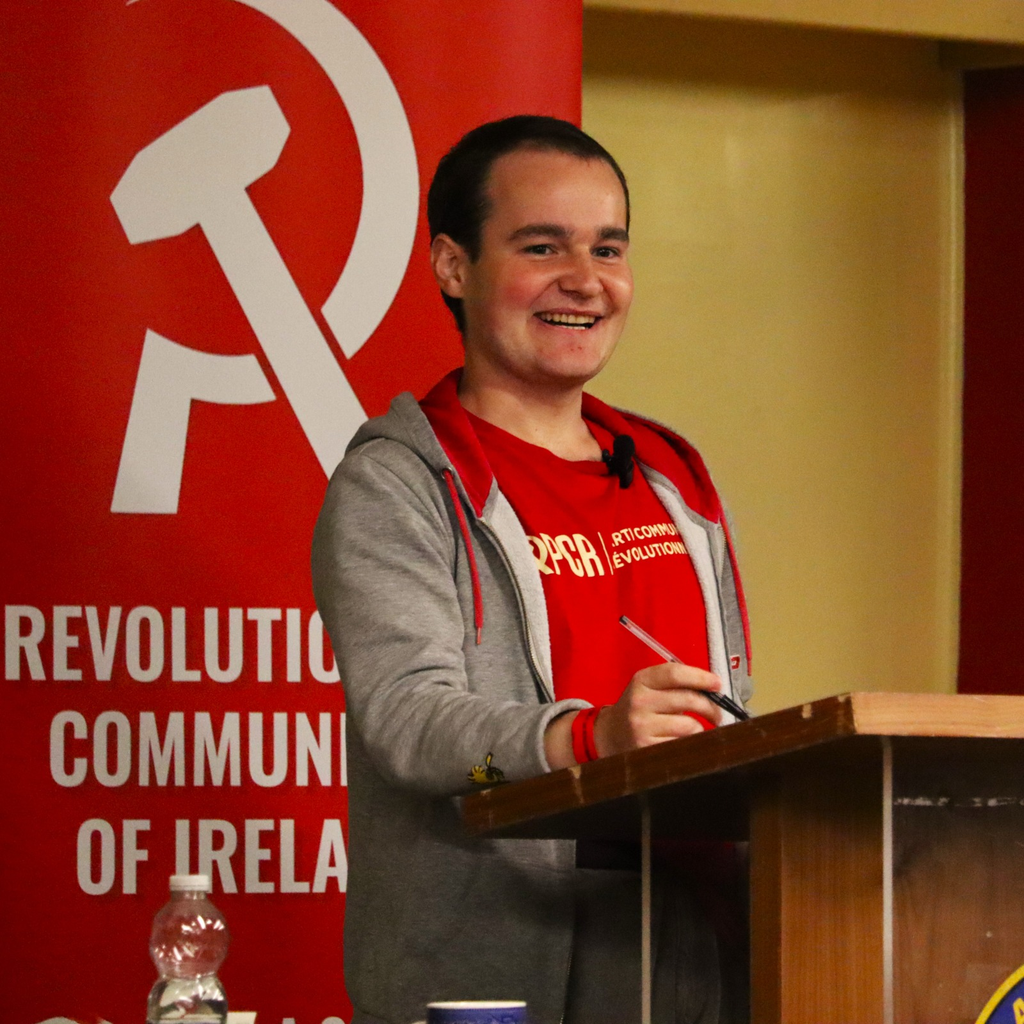
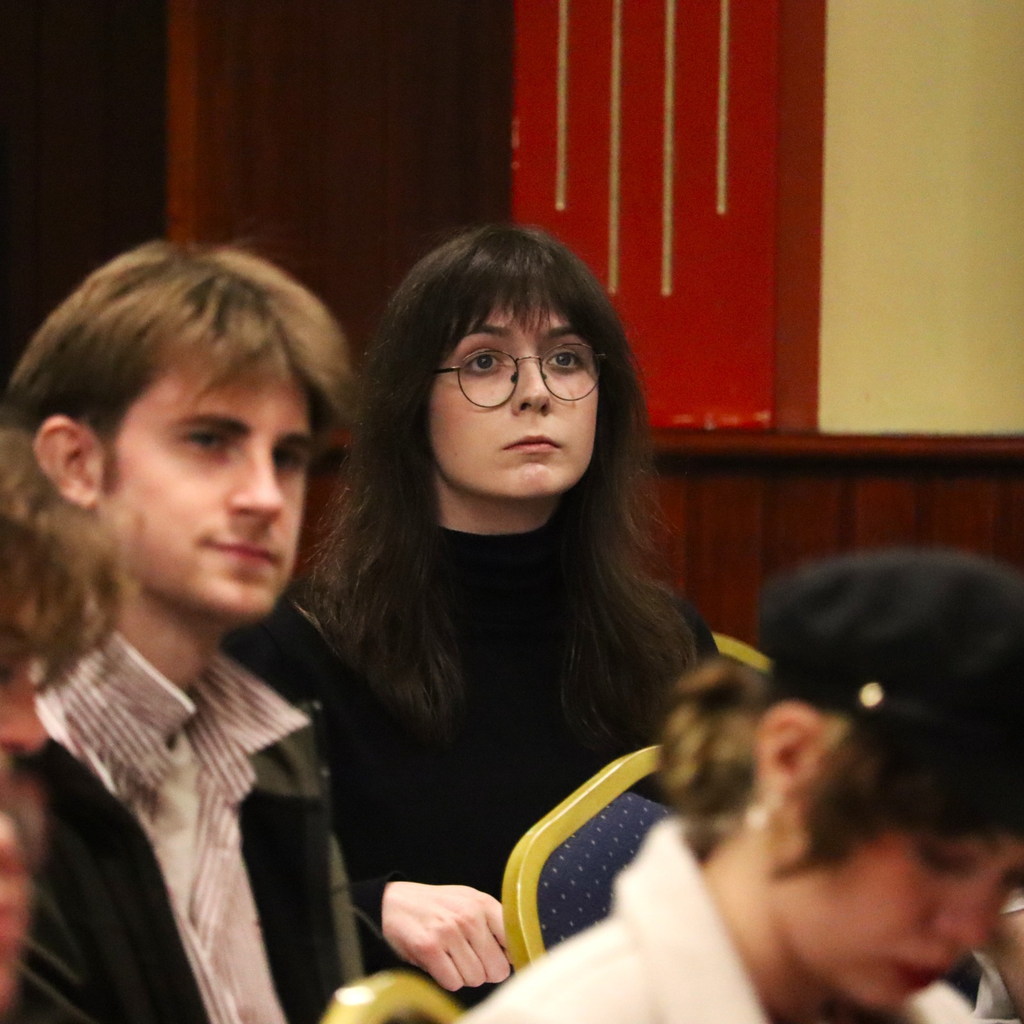
On Saturday 17 October, the Revolutionary Communists of Ireland held a national Day School titled ‘Ireland: From Conquest to Re-Conquest’ in Dublin. This was the best event our organisation has ever put on – proven not only by the number in attendance, but also by the depth and quality of the discussions held throughout the day.
In fact, more than 70 people bought tickets for the event, making it our largest national event to date – a testament to the development of the forces of revolutionary communism in Ireland, and the thirst for revolutionary ideas among the youth.
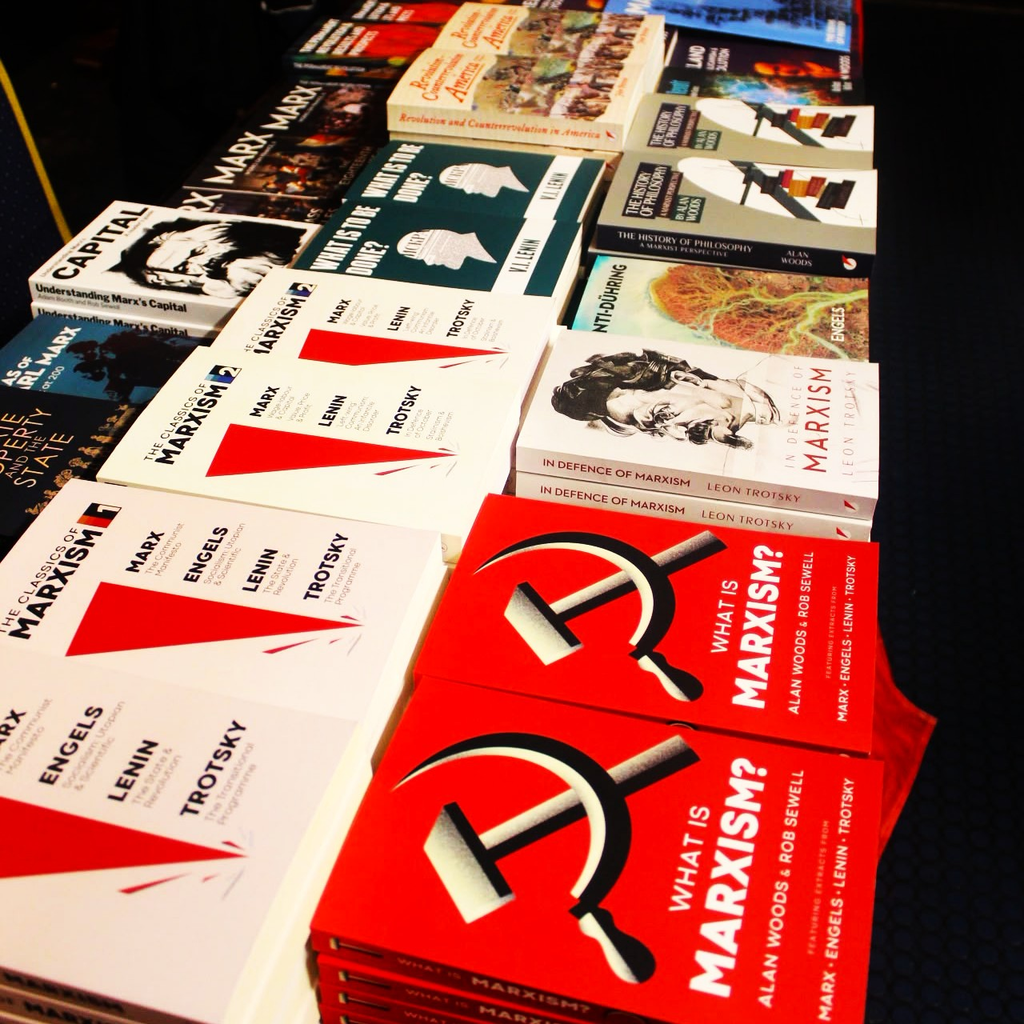
The enthusiasm on the day was further confirmed by an outstanding collection that raised over €4000 for the RCI Fighting Fund, as well as by the €600 worth of books, pamphlets and papers that were sold throughout the day.
‘The rich always betray the poor’
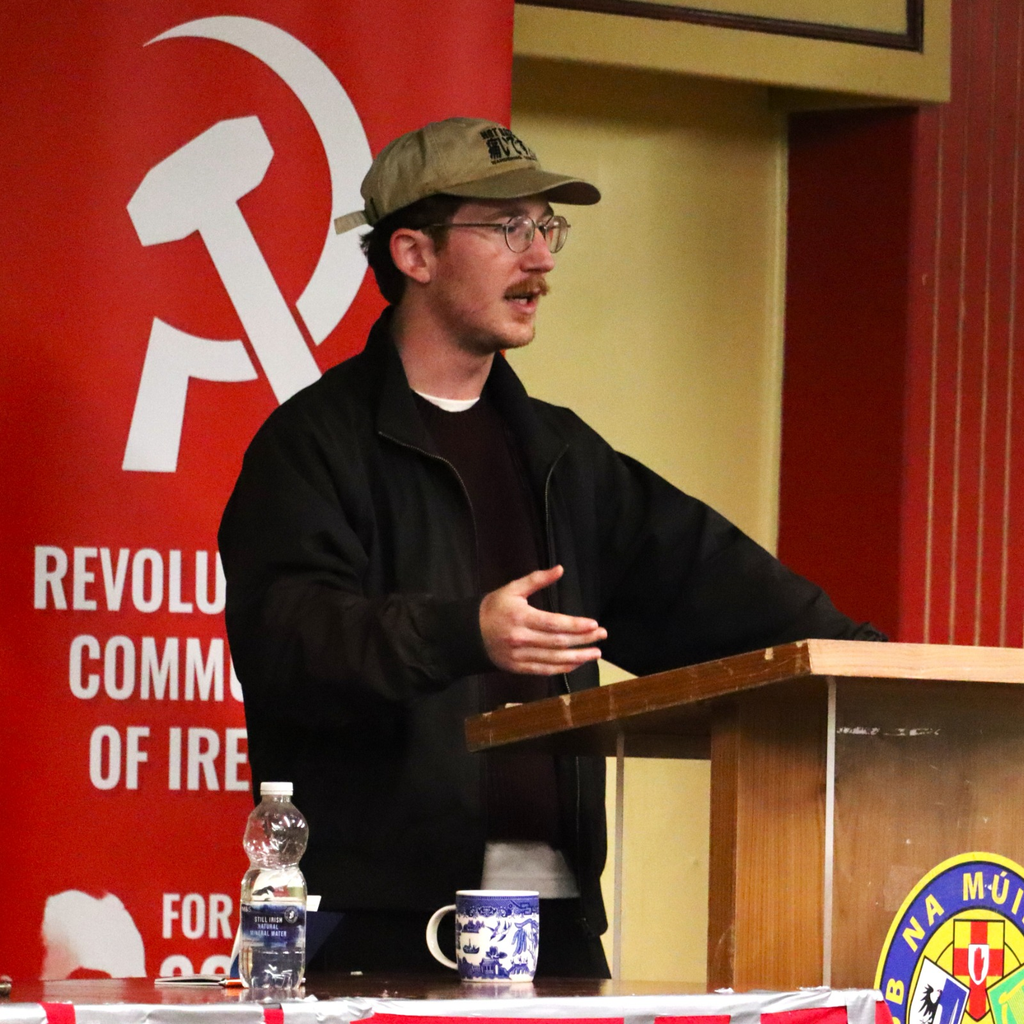
Three discussions were held during the day, covering key events in Irish history. The day started with a session titled ‘Oliver Crommwell and the Conquest of Ireland’, which was followed by ‘The United Irishmen and the 1798 Rebellion’. The final discussion instead looked into the tasks of revolutionaries in Ireland going forward, and was titled ‘Is a United Ireland Inevitable?’ [Recordings for the first two sessions are available at the end of this article]
The first discussion focused on how the full subjugation of Ireland after centuries of partial conquest finally came to pass with Cromwell’s brutal campaign.
But for Marxists the question is not a moral one: the event was a key turning point in Irish history. It is with Cromwell’s conquest that Ireland’s clan system was fully vanquished, as James Connolly explained:
“The result of the long drawn out struggle of Ireland has been, so far, that the old chieftainry has disappeared, or, through its degenerate descendants, has made terms with iniquity, and become part and parcel of the supporters of the established order.”
The Cromwellian conquest was not only a question of national oppression, it also laid the basis for a new social system – capitalism. This was to have profound repercussions for the class struggle in Ireland for centuries to come. Indeed, as James Connolly never failed to remark, from then on, the national question in Ireland has been linked to the social question.
The second talk, ‘The United Irishmen and the 1798 Rebellion’ discussed one of the most inspiring episodes in Ireland’s rich revolutionary history.
The 18th century was a period in which the bourgeoisie was playing a progressive role, battling against the forces of feudalism. The American and French revolutions, in particular, inspired the forces of radical democracy all around Europe, and, of course, in Ireland.
However the Irish bourgeoisie itself was weak and linked hand and foot to the British ruling class. As Wolfe Tone and hundreds of thousands of nameless peasants and workers (the “Men of No Property”) fought courageously against British rule in Ireland in 1798, the Irish bourgeoisie betrayed them. As the revolutionary martyr Henry Joy McCracken wrote while on the run after the crushing of the uprising, “the rich always betray the poor”.
It is that betrayal – the inability of the Irish bourgeoisie to play a progressive role from the very beginning – that has had profound consequences for the class struggle ever since, as the national question in Ireland was left unresolved.
But history did not stand still and ever since the 18th century, the modern working class developed – the class that holds the future of the revolutionary struggle. Again as Connolly emphasized looking back at the key lessons from Irish history:
“Only the Irish working class remain as the incorruptible inheritors of the fight for freedom in Ireland”
The final discussion followed directly from this. The 1910s were a period of great upheavals in Ireland, as the Irish working class under the leadership of the great Marxist revolutionary James Connolly entered onto the main stage of history. But with the death of James Connolly, the Irish labour movement was beheaded – it lost its most outstanding leader.
When the Irish revolution erupted, it was the petty bourgeoisie that found itself at the lead. When the betrayal of that revolutionary struggle led to the crime of partition, the labour leaders had no response. As predicted by Connolly, “a carnival of reaction” is what followed.
But despite the sectarian divisions that were hardcoded into the northern statelet, time and again workers and youth erupted in struggle against the ruling class.
In the 1960s, in the context of a world-wide radicalisation of the youth, the Civil Rights movement exploded in Ireland. Unfortunately again – as the talk on the day explained – despite the boldness and militancy of some activists in the North, a revolutionary leadership was missing. Eventually the movements were derailed, and the sectarian nightmare of the Troubles is what followed.
Today great opportunities are opening up once again for revolutionaries in Ireland. But as the recent events in Drumcree prove, the potential for sectarian reaction is anything but gone.
A United Ireland is possible, yes, but only if we build a communist revolutionary organisation fighting for Connolly’s programme – that is for a Socialist United Ireland!
A Red Autumn
As the Day School was taking place, a wave of Gen Z protests and mass movements have been sweeping all across Europe. As chronic issues in housing, the cost of living and school funding continue to worsen, workers and youth in Spain, France, Belgium, Italy, Serbia, Albania and more are taking to the streets en masse.
Right now, Ireland appears relatively quiet in comparison, but this apparent calm hides a thunderous storm which is gathering strength just beyond the horizon. All of the same fundamental features of the crisis exist in Ireland as they do in the rest of Europe. It isn’t a question of if, but when Irish workers and youth will follow in the footsteps of the movements sweeping across the continent and the wider world.
The public sector strike that took place on 14 October – the largest such action in a generation – is an early indication of where Ireland is headed. Meanwhile, the looming presence of British imperialism keeps the Six Counties in a stranglehold, compounding on the crisis felt by workers and youth.
In such a context, it is more necessary than ever to build a revolutionary Bolshevik organisation in this country, and for that organization to study the history of revolutions and class struggle here in Ireland, to learn the lessons of the past so that we can prepare ourselves for the revolutionary battles of the future!
Our modern politicians seek to hold up revolutionary figures like Wolfe Tone and James Connolly as harmless nationalist idols, while they continue to bend the knee to the imperialists.
Reclaiming their genuine legacy as part of Ireland’s revolutionary history is a key task for communists today.
In the past year, since our last National Day School in Autumn 2025, the Revolutionary Communists of Ireland have taken some very important steps forward.
We started renting an office in Dublin, we hired a third full-timer, and only recently we moved to a monthly publication schedule for our paper, the Revolutionary Communist. On the back of a successive offensive in college campuses this Autumn we are approaching the significant milestone of 100 organised revolutionary communists in Ireland.
But don’t misunderstand us, the communists are only getting started!
Our tasks are laid out clearly in front of us. We must build an organisation which can rise up to the tasks of the revolutionary events which will sweep Ireland in the not so distant future. Events like this Day School are important steps in the building and educating of such an organisation.