Labour wants us to believe that it is drawing a line under the Troubles and opening a new chapter of reconciliation. But the new Troubles Bill tells a different story. The old Tory Legacy Act is being replaced, but the story remains essentially the same. Labour plans at obtaining the same results as the Tories but through slightly different means.
Labour’s bill, for example, removes the possibility of immunity in exchange for cooperation – a core feature of the Tory bill, which was found incompatible with human rights. But Labour has wasted no time in reassuring military veterans that their interests will be protected nonetheless.
Its latest amendments introduce further safeguards, requiring investigators to consider whether compelling new evidence exists before approaching witnesses, and giving the Attorney General in London a veto over ‘serious’ Troubles-related prosecution.
Meanwhile, the new Legacy Commission, Labour claims, is supposed to offer a fresh start.
Yet its powers and remit are still determined by the British state, and its independence has been questioned by victims’ families and campaigners, given the involvement of former RUC personnel. The state is effectively setting the terms of an investigation into its own conduct.
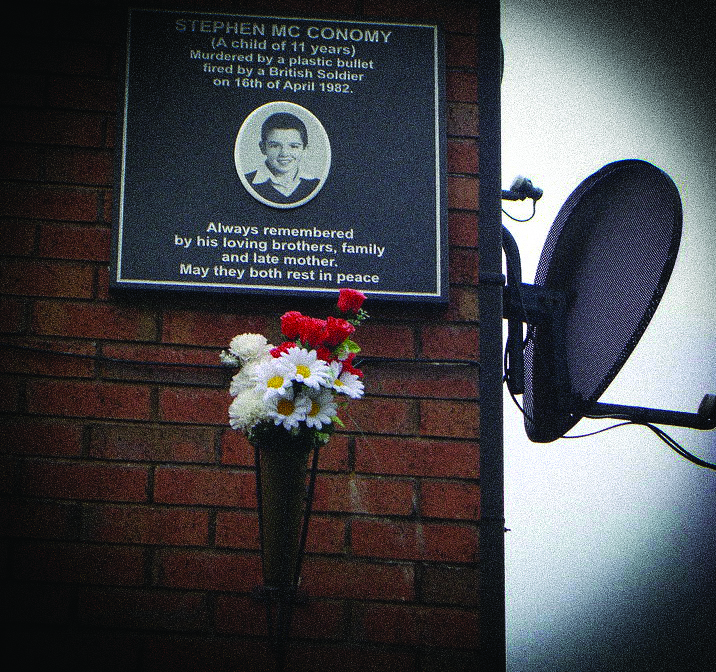
The hypocrisy of this is exposed starkly in the words of Emmett McConomy, whose 11 year old brother was shot dead by a soldier in Derry in 1982:
“We have an Attorney General appointed by the British government, possibly then looking at cases where the British Army has killed or murdered civilians here in Ireland.I don’t hold much hope for that. It seems very much that they’re checking their own homework…”
And this is precisely the key point.
For decades, families have fought to expose the circumstances of killings, cover-ups and collusion. Now they are told that the process must be managed carefully, that veterans must be shielded from repeated investigations, and that prosecutions must be approved by the very same state that was responsible for one crime after the next against Catholics in the North.
The record hardly inspires confidence.
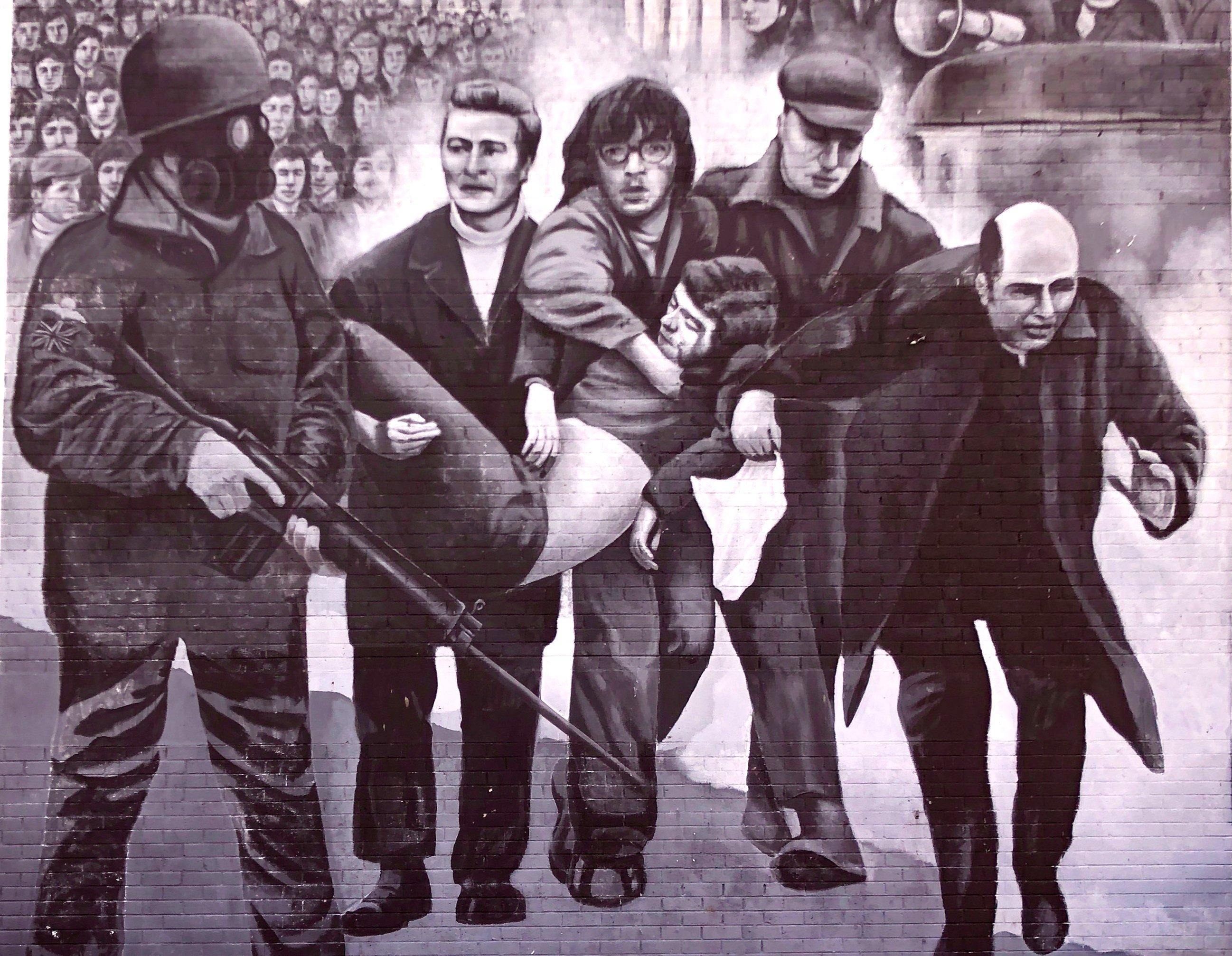
To quote just a few recent examples. In October 2025, Soldier F was acquitted of the murders of James Wray and William McKinney on Bloody Sunday. In January 2026, prosecutors also upheld decisions not to bring charges against former soldiers for giving false evidence. Meanwhile, the Robert Hamill inquiry report, published in September 2026, detailed serious failures in the investigation of the 1997 murder of the Catholic man in Portadown, whose attackers beat him near an RUC Land Rover. Who’s paying for these crimes? No one!
This is no accident. The British state is not an ‘impartial referee’ in the North. It was an active participant in the conflict, deploying its armed forces and security apparatus in defence of the interests of British imperialism. And the Bill itself recognises this – clarifying that actions of armed service members must never be seen equal to those of paramilitary groups!
As long as capitalism and imperialism remain on this island, no justice will be served. It is only the workers and youth – in the words of James Connolly, the incorruptible inheritors of the fight for Irish freedom – who can deliver a real, lasting verdict and force British imperialism to pay for its crimes.