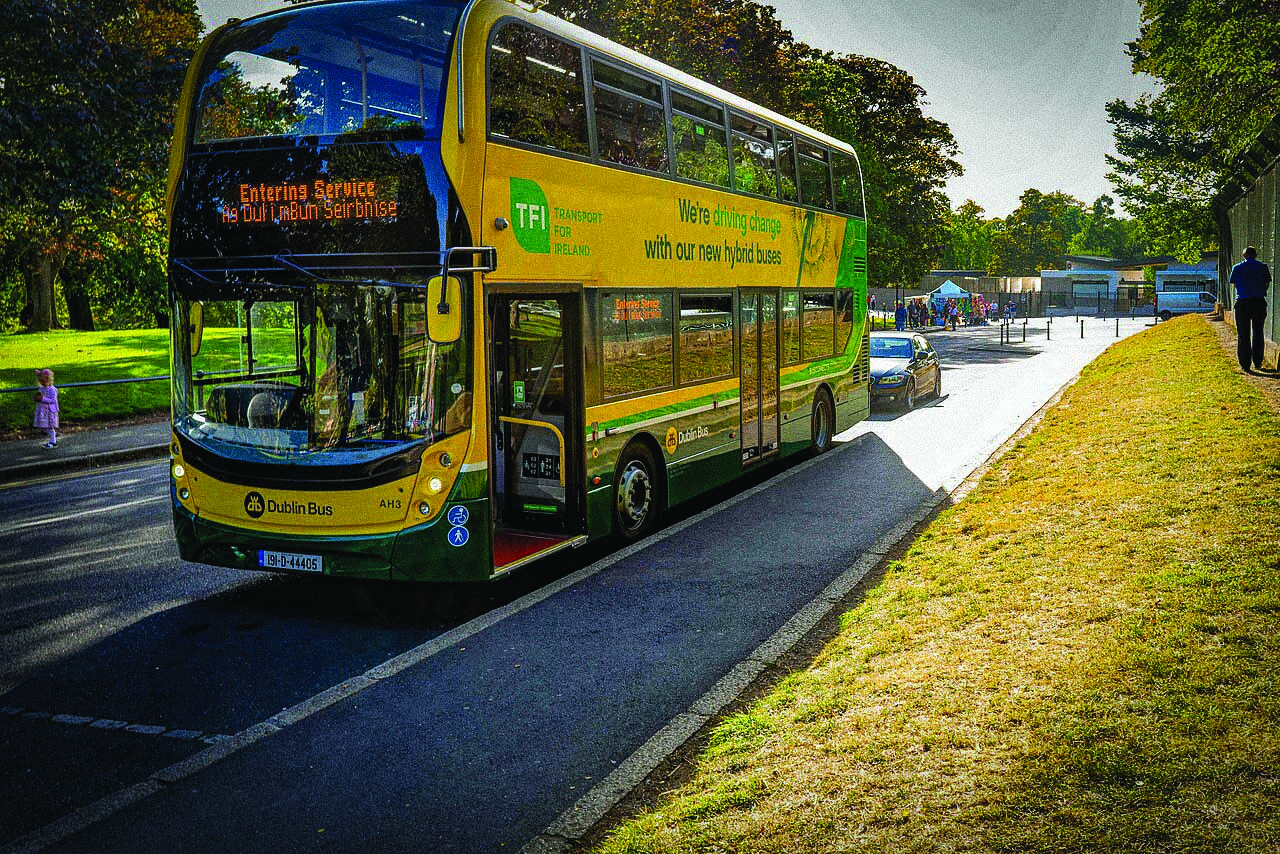
On 3 September the National Transport Authority (NTA) announced a 15 percent increase on average in the fare price of TFI services, coming into effect January 2027.
Despite these increases the announcement bragged “Ireland’s public transport fares remain extremely competitive by European standards, with single-trip fares in Dublin comparing favourably with those in cities including Berlin, Brussels, London and Vienna.”
This is a remarkable stretching of the truth. True, the proposed €2.30 fare will still be cheaper than the other cities mentioned. However, most other cities in Europe have significantly cheaper monthly or annual tickets which means lower prices over all. This means in practice commuters in Ireland pay more than their European counterparts – and for a worse service.
In another attempt to sugar coat their announcement, the NTA wrote, “following these changes, fares will remain approximately 8 percent lower than they were eight years ago […] While adult fares will increase by an average of 15 percent, this remains below cumulative inflation”. So yes, prices are being hiked but we should remember things could be much worse!
Of course this “lenient” increase has nothing to do with the generosity of the NTA. Commuter advocacy groups have pointed out that this 15 percent increase will raise an approximate €2 million a day – roughly equivalent to the cost for the continuation of subsidies on fuel, which were won as a result of the militant protests by farmers and hauliers in April.
This is a cynical attempt to pay Peter by robbing Paul, and moreover to do so by pitting Peter and Paul against one another. Micheál Martin justified the increase saying that the government is “not in a position to fund everything forever”. And so if money is to be found for fuel subsidies it has to come from somewhere, and as usual that means workers footing the bill.
This can hardly come as a surprise. Irish households already pay higher energy costs for the subsidies on big tech’s energy guzzling data centres. But unlike the drivers, farmers and hauliers who desperately need these subsidies the wealth of the billionaires in Silicon Valley could easily pay their fair share for energy – and then some!
The truth is that the wealth exists to support drivers and others who depend on fuel subsidies as well as to finance free and efficient public transport. But so long as the country is run in the interests of the wealthy such a programme will never be carried out.
Those who wish to fight against the fare hikes would do well to learn from the lessons of the fuel protests. Militant struggle against the government can win major concessions. In fact, in Chile in 2019 a mass movement erupted in response to a proposed increase in the cost of public transport. This movement succeeded not only in reversing the fare hike but also forced a number of other concessions.
However, to win lasting reforms it is necessary to channel such a struggle against the capitalist system itself and to put the immense wealth of society in the hands of the working class.