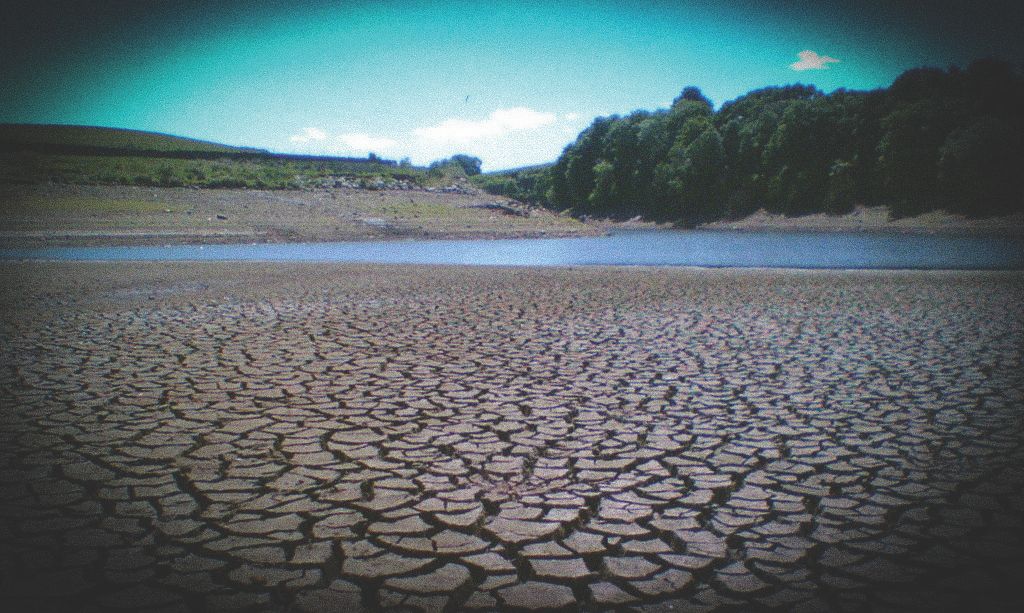
With long, warm summers set to become the norm for Europe, the crisis of Ireland’s water infrastructure is reaching boiling point. At the end of July, a nationwide hosepipe ban was brought in and has been extended until the end of September across half the state.
Uisce Éireann (UÉ) have justified the ban based on the “continued hot weather, below-average rainfall and exceptionally high demand”. They stress, “Uisce Éireann is encouraging everyone to reduce non-essential water use” although just a sentence earlier admit, “The restrictions do not apply where water is required for commercial purposes.” It seems by everyone they mean only working class families trying to beat the heat.
Meanwhile, exempted from the ban are the likes of the data centres which collectively guzzle as much water as the whole of Sligo town or the pharmaceutical industry which uses double that. Or at least that is according to the available figures! Thanks to EU legislation these companies can protect business secrets concerning how much water they use – so tight scrutiny for children looking to fill up their paddling pools but zero oversight for billion dollar multinationals.
But Fianna Fáil and Fine Gael’s total deference to big business is not the only problem facing water supplies. The water infrastructure itself is also crumbling. Ireland has an old, sporadically placed, sparsely managed water network. When UÉ was founded in 2013 (as Irish Water) 46 percent of water in the system was lost through leaks. Since, they have brought it down to 35 percent, which remains the highest in Western Europe.
Even if UÉ reaches their target of reducing leakage in Dublin to 20 percent they will still be far from keeping up with the rising demand for water that comes with growing population and industrial usage. Already UÉ has warned that if key investments in water infrastructure are not made in Dublin by 2028 they “may be unable to grant new connections to the wastewater network in parts of the Greater Dublin Area”. Unless major investments are made this will mean the – already too slow – rate of new house completions grinding to a crawl, exasperating the housing crisis which is already pushing workers to the brink.
Large infrastructural projects have been suggested to address this, such as the €1.3 billion Greater Dublin Drainage Project for a large wastewater treatment facility or the €5.9 billion project to extract water from the Shannon to serve the East. However, given the government’s track record, these already hefty price tags would no doubt balloon should it ever be implemented, with private construction pocketing every increase at the expense of workers and young people.
As above, so below! The state’s vital water infrastructure is beset with problems at all levels, from usage to planning, investment to development. The hosepipe ban is only a drop in the ocean when it comes to addressing the issues facing the water system. To actually solve the problem would require workers to take power into their own hands and coordinate not only the water system but all the key levers of the economy, from construction and banking, with which we could not only deliver the needed investment in water but solve all the pressing infrastructure crises facing workers and youth.